
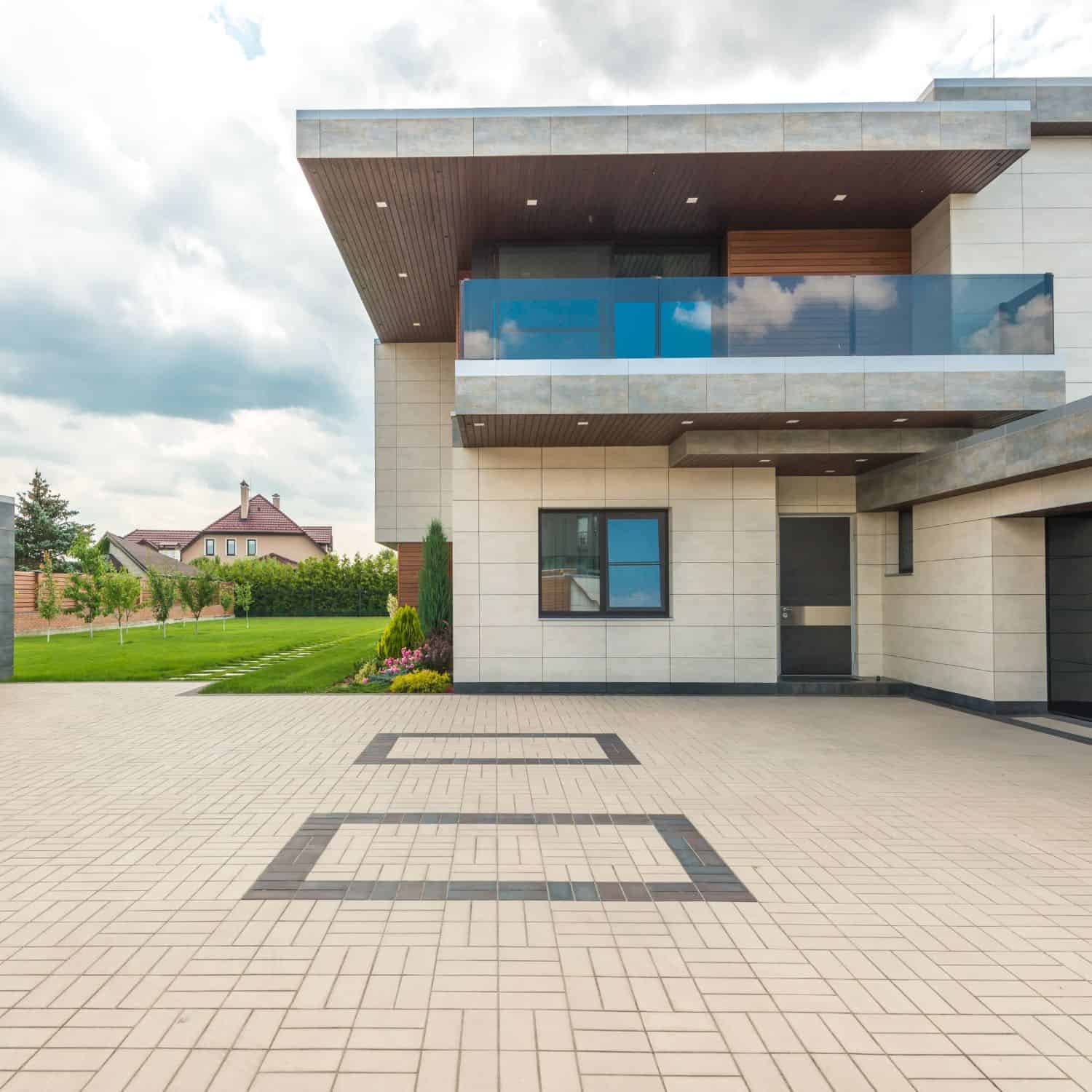
تتمثل المهارة الأساسية في وضع ميزانية لمشروع بلاط السيراميك في أمر بسيط: وهو تقدير تكلفة تركيب البلاط عن طريق تقسيمها إلى مواد، وعمالة، وإعداد الموقع، ثم تقوم بالتحقق من كل بند على حدة قبل الشراء.
في الهند، تقع تكلفة معظم المشاريع ضمن نطاق واسع، لأن سعر البلاط وحجمه وإعداد السطح تؤثر جميعها على التكلفة النهائية.
يتألف هذا الدرس من أربع خطوات: قياس المساحة بشكل صحيح، واختيار البلاط الخزفي أو البلاط المزجج المناسب للمساحة، وتقدير كمية المواد اللاصقة ومواد الحشو، ثم مقارنة عروض الأسعار المقدمة من المُركِّبين بناءً على نفس نطاق العمل.
النقاط الرئيسية
- في الهند، تتراوح أسعار البلاط الخزفي والبلاط المزجج غالبًا بين 40 و80 روبية للقدم المربع للخيارات الأساسية، بينما تتراوح أسعار العديد من أنواع الأرضيات من الفئة المتوسطة بين 70 و150 روبية للقدم المربع، اعتمادًا على العلامة التجارية وتشطيبات البلاط وتصميمه.
- تتراوح تكلفة اليد العاملة لتركيب البلاط عادةً بين 25 و60 روبية للقدم المربع الواحد للأرضيات البسيطة، وترتفع هذه التكلفة في حالة الحمامات، وعمليات القطع المعقدة، والبلاط ذي الحجم الكبير.
- لا تضع في اعتبارك سعر البلاط وحده عند إعداد الميزانية. ففي العديد من عروض الأسعار، تُدرج مواد لاصقة البلاط، والجص، وإعداد السطح، والتنظيف كبنود منفصلة، مما قد يضيف مبلغًا لا يستهان به لكل قدم مربع.
- تؤدي البلاط ذات الأحجام الكبيرة والأنماط المعقدة إلى ارتفاع تكاليف المناولة وتركيب البلاط. ويمكن الحصول على خصومات عند الشراء بكميات كبيرة (غالبًا ما تبلغ حوالي 1,000 قدم مربع أو أكثر)، ولكن فقط إذا تأكدت كتابةً من اتساق درجات الألوان ضمن الدفعة الواحدة وسياسة التعامل مع الكسر.

العوامل التي تؤثر على تكلفة تركيب بلاط السيراميك
تؤثر نوعية البلاط وحجمه وتصميمه على تكلفة أرضيات البلاط. كما أن الجص ومادة لصق البلاط وإعداد السطح تزيد من السعر أيضًا.
تؤثر تكلفة اليد العاملة والمساحة المراد تغطيتها والأدوات مثل حاسبة البلاط أو منشار القطع على تكلفة تركيب البلاط وميزانيتك النهائية.
مواد البلاط وجودته
ابدأ باختيار فئة البلاط، لأنها تحدد كلاً من تكلفة المواد وطريقة التركيب. في معظم المنازل الهندية، تقتصر الخيارات على بلاط السيراميك وبلاط البورسلين والبلاط المزجج، بينما تُستخدم الأرضيات الرخامية عندما ترغب في الحصول على مظهر الحجر الطبيعي.
للتحقق السريع من متانة البلاط، اطلب من البائع معرفة فئة امتصاص الماء الخاصة بالبلاط ومعايير الاختبار (خاصةً بالنسبة للبلاط التجاري أو المناطق الرطبة). ويُدرج مكتب المعايير الهندي IS 15622:2017 باعتباره المعيار الهندي للبلاط الخزفي المضغوط. استخدمه كأساس للمقارنة عند مقارنة العلامات التجارية للبلاط وصحائفها الفنية.
- بلاط السيراميك: مناسبة للميزانية وسهلة القطع، ومثالية للبلاط الداخلي والعديد من ألواح الحماية من الرذاذ، ولكن عليك اختيار التشطيب المناسب لضمان الثبات في الأماكن الرطبة.
- بلاط البورسلين: تتميز هذه البلاط بكثافة أعلى وصلابة أكبر عادةً، لكن عملية القطع قد تكون أبطأ وقد تؤدي إلى ارتفاع تكلفة تركيب البلاط.
- البلاط المزجج: خيار شائع ومتين للأرضيات في غرف المعيشة والأماكن التي تشهد حركة مرور كثيفة، وهو متوفر من علامات تجارية للبلاط مثل «جونسون تايلز» و«سوماني سيراميك» و«نيتكو تايلز».
- بلاط الرخام: يختلف الحجر الطبيعي باختلاف مصدره ودرجته. على سبيل المثال، غالبًا ما يُختار رخام ماكرانا لمظهره الكلاسيكي، لكنه يحتاج عادةً إلى معالجة مانعة للتسرب وصيانة أكثر دقة مقارنة بالأسطح المبلطة.
قاعدة عملية: قبل الانتهاء من تصميم بلاطة مميزة، تأكد من تشطيبات البلاط تتناسب مع الغرض من الغرفة. فالبلاط اللامع الذي يبدو رائعًا في غرفة المعيشة قد يصبح زلقًا في الحمام.
حجم البلاط وتصميمه
اختر حجم البلاط وتصميمه مع مراعاة التكلفة وعملية التركيب.
تتميز بلاط الأرضيات ذات الحجم الكبير بمظهر عصري لأنها تقلل من خطوط الجص بين البلاط، لكنها تزيد أيضًا من الوقت المستغرق في مناولة البلاط وتسويته وقطعه. وهذا يؤدي عادةً إلى ارتفاع تكلفة تركيب البلاط، حتى لو كان سعر البلاط للقدم المربع يبدو مماثلاً.
إذا كنت تخطط لاستخدام بلاطات كبيرة الحجم (مثل 2×4 قدم أو أكبر)، فضع في اعتبارك ميزانية لشراء أدوات وأساليب أفضل، مثل منشار قطع أكبر، ومشابك تسوية، ومادة لاصقة عالية الأداء. تقلل هذه التحسينات من التفاوت في الحواف (الحواف غير المستوية)، وهو أحد الأسباب الأكثر شيوعًا التي تجعل الأرضية الجديدة تبدو “رخيصة” حتى مع استخدام بلاط عالي الجودة.
كما يؤثر تصميم البلاط على التكلفة من خلال الفاقد والوقت المستغرق في التخطيط. فالتركيب المستقيم يتطلب قطعًا أقل مقارنةً بالتركيب القطري، وقد تؤدي الأنماط المعقدة إلى زيادة الفاقد من المواد وتكلفة اليد العاملة.
- تركيب مستقيم في غرفة مربعة: عادةً ما يكون ذلك هو الخيار الذي ينتج عنه أقل كمية من النفايات وأسرع عملية تركيب.
- التطريز المائل، أو على شكل شيفرون، أو على شكل حواف: المزيد من القطع، والمزيد من الهدر، وارتفاع تكلفة تركيب البلاط.
- الفسيفساء وألواح الحائط: تؤدي القطع الأصغر حجمًا إلى زيادة حجم أعمال الحشو ووقت التنظيف، حتى لو كانت المساحة صغيرة.
بالنسبة للغرف الرطبة، اختر بلاطًا مقاومًا للانزلاق استنادًا إلى تصنيف قابل للقياس لمقاومة الانزلاق، وليس بناءً على كلمة “مطفي”. تُستخدم تصنيفات معيار DIN 51130 بشكل شائع في بيانات المنتجات، ويُعتبر التصنيف R10 معيارًا أساسيًّا عمليًّا على نطاق واسع للحمامات والمطابخ حيث قد تتعرض الأرضيات للبلل.
رسوم العمالة
يُعدّ قطاع اليد العاملة المجال الذي تتفاوت فيه عروض الأسعار بشكل أكبر، لأن المقاولين يحددون الأسعار بناءً على المهارة والسرعة والمخاطر. أما بالنسبة للهند، فإن العديد من أدلة تكاليف تحسين المنازل لعام 2025 تضع تكلفة اليد العاملة في أعمال تركيب بلاط الأرضيات ضمن 25–60 روبية للقدم المربع الواحد نطاق أسعار للأعمال العادية، مع أسعار أعلى للحمامات، والقطع المعقدة، والبلاط الكبير.
لمقارنة عروض الأسعار بشكل عادل، احرص على أن يكون نطاق العمل المحدد في عروض الأسعار متماثلاً. اطلب منهم تفصيل ما يلي:
- معدل وضع الأساس: تركيب البلاط ومحاذاته (لكل قدم مربع).
- القطع وتشطيب الحواف: خاصة حول الأعمدة ومصارف الأرضية وإطارات الأبواب.
- الحواف: سواء حددوا سعره بالقدم الطولي أم حولوه إلى قدم مربع.
- الحشو والتنظيف النهائي: بما في ذلك إزالة البقع والغسيل الأول.
نصيحة من الخبراء: إذا كنت تستخدم بلاطًا فاخرًا (ذو حواف مصقولة، أو ألواح كبيرة، أو بلاط بورسلين بمظهر الرخام)، فاسأل عن الشخص الذي سيتولى العمل في الموقع. فأفضل تشطيبات البلاط تتحقق من خلال التسوية الدقيقة واتساق خطوط الجص، وليس فقط من خلال استخدام مواد باهظة الثمن.
المساحة المراد تغطيتها
تحدد مساحتك الميزانية، لكن أخطاء القياس قد ترفع تكلفة الأرضيات بهدوء بمقدار 5%–15%. قم بقياس كل منطقة، ثم أضف هامشًا احتياطيًا لتغطية الفاقد بناءً على مدى تعقيد التصميم.
- قياس المساحة الصافية للأرضية (الطول × العرض لكل قسم، ثم المجموع).
- إضافة مساحة الحواف إذا لزم الأمر: المحيط × ارتفاع الحافة السفلية (عادةً ما يتراوح بين 4 و6 بوصات).
- إضافة النفايات بناءً على نمط التبليط: غالبًا ما يتطلب التبليط المستقيم كمية أقل من البلاط الإضافي مقارنةً بالتبليط القطري أو المزخرف.
تُعدُّ آلة حساب البلاط مفيدة، لكن لا تكتفِ بالرقم الذي تظهره. اطلب من المقاول تأكيد عدد البلاط بعد أن يحدد خطوط التخطيط، خاصةً في الغرف التي تحتوي على كوات أو جدران بزوايا أو العديد من فتحات الأبواب.
مواد إضافية مثل الجص والمواد اللاصقة
تحدد المواد اللاصقة وملاط البلاط مدى ثبات أرضية البلاط وسهولة تنظيفها. لذا، يجب تخصيص ميزانية لها باعتبارها “مواد عالية الأداء”، وليس مجرد إضافات ثانوية يمكنك تجاهلها.
بالنسبة لمادة لاصقة البلاط، استخدم معدل التغطية لكل كيس لتحويل المساحة المطلوبة إلى عدد أكياس، ثم حدد السعر. تبلغ التغطية المحددة للعديد من المواد اللاصقة المعدلة بالبوليمرات حوالي 55–60 قدمًا مربعًا لكل كيس وزنه 20 كجم بسماكة طبقة تبلغ حوالي 3 مم، لذا قد تحتاج أرضية مساحتها 400 قدم مربع إلى عدة أكياس عند احتساب الحواف والفضلات.
- اطلب المواصفة القياسية الخاصة بالمواد اللاصقة: IS 15477:2019 هو المعيار الهندي المستخدم لتصنيف مواد لصق البلاط، لذا يمكنك استخدامه كمعيار للجودة عند التسوق.
- اختر المادة اللاصقة المناسبة لنوع البلاط: غالبًا ما تتطلب البلاط المزجج والبلاط الخزفي استخدام منتجات ذات قوة التصاق أعلى مقارنةً بالبلاط الخزفي العادي.
- تحديد موعد عملية حقن الجص: تنص تعليمات العديد من المنتجات على إجراء عملية ملء الفواصل بعد حوالي 24 ساعة، ثم إجراء التنظيف النهائي بعد أن يتماسك الجص.
فيما يتعلق بالرمل، قد تشير عروض الأسعار إلى استخدام رمل الأنهار أو رمل الجداول في طبقات الملاط أو عمليات الترميم. تأكد من أن الرمل نظيف ومُغربل، لأن الرمل المتسخ قد يضعف طبقة التثبيت ويؤدي إلى تغير لون خطوط الجص بين البلاط بشكل أسرع.
متوسط تكاليف تركيب بلاط السيراميك
يعتمد متوسط تكلفة تركيب البلاط في الهند على سعر البلاط وحجمه وتكلفة اليد العاملة المحلية. استخدم «حاسبة تكلفة البلاط» للحصول على تقدير أولي، ثم تأكد من نطاق العمل بندًا بندًا مع المُركِّب.
وفقًا لجداول ضريبة السلع والخدمات (GST) السارية في أواخر عام 2025، تُحسب قيمة بلاط السيراميك والبلاط المزجج عادةً بمعدل 18% GST تحت الرمز HSN 6907/6908، لذا يرجى تضمين تلك الضريبة في ميزانية الشراء الخاصة بك إذا كان عرض الأسعار المقدم لك قبل احتساب الضريبة.
التكلفة لكل قدم مربع
استخدم الجدول أدناه كإطار للتخطيط. يتغير السعر النهائي حسب تصميم البلاط وحالة الطبقة التحتية، وما إذا كنت ستدرج تكلفة إزالة البلاط أم لا.

| نوع البلاط | تكلفة المواد (للقدم المربع الواحد) | تكلفة العمالة (للقدم المربع الواحد) | المساحة الإجمالية (لكل قدم مربع) | الملاحظات | الأدوات والمفاهيم |
|---|---|---|---|---|---|
| بلاط السيراميك العادي (الهند) | 40–80 روبية | 25–40 روبية | 65–120 روبية | يُستخدم عادةً في غرف النوم، والمساكن المؤجرة، والعديد من الاستخدامات الجدارية. | قاطع البلاط، مجرفة مسننة، فواصل، ملاط، لاصق البلاط |
| بلاط زجاجي من الفئة المتوسطة (بلاط جونسون، سيراميك سوماني، بلاط نيتكو) | 70–150 روبية | 30–55 روبية | 100–205 روبية | خيار شائع للأرضيات المتينة، ويختلف السعر حسب تشطيبات البلاط وحجمه. | منشار رطب، مشابك تسوية، مجرفة الجص، خلاط مثقاب |
| بلاط البورسلين (الهند) | 60–150 روبية | 35–60 روبية | 95–210 روبية | كلما زادت كثافة البلاط، غالبًا ما يزداد وقت القطع ومتطلبات المادة اللاصقة. | منشار رطب، رافع شفط (حجم كبير)، ملاط رفيع عالي الجودة |
| البلاط ذو الحجم الكبير (2×4 أقدام وما فوق) | 100–250 روبية وأكثر | 50–120+ روبية | 150–370+ روبية | ترتفع التكاليف بسبب عمليات المناولة والتسوية وارتفاع مخاطر الكسر. | نظام التسوية، رافع الشفط، مجرفة كبيرة الحجم |
| مواد إضافية (نموذجية) | المادة اللاصقة، الجص، الحواف | تُقدم أحيانًا في حزمة واحدة | 10–30 روبية إضافية أو أكثر | يُستخدم بشكل أكبر في حشو الإيبوكسي، والعزل المائي، والتحضير المكثف للأسطح. | إسفنجة للجص، مادة مانعة للتسرب (حسب الحاجة)، فجوات التمدد |
الاختلافات الإقليمية في الأسعار
تتغير الأسعار حسب المنطقة بشكل رئيسي بسبب القيود المتعلقة باليد العاملة والموقع (سهولة الوصول، والسلالم، والتخلص من الأنقاض). استخدم هذه المعلومات كأساس للمقارنة، ثم احصل على عروض أسعار محلية.
| المدينة | تكلفة اليد العاملة النموذجية (التركيب المستقيم)، روبية/قدم مربع | الأعمال ذات الحجم الكبير / المعقدة، روبية/قدم مربع | سعر البلاط (الفئة المتوسطة)، روبية/قدم مربع | ما الذي يؤدي إلى ارتفاع هذا الرقم؟ |
|---|---|---|---|---|
| مومباي | 30–60 | 60–120 | 70–150 | قيود الوصول، والتعامل مع الحطام، وتوقعات التشطيب عالي الجودة |
| دلهي | 25–45 | 50–90 | 70–150 | القطع حول العديد من الزوايا، والأرضيات القديمة غير المستوية |
| بنغالور | 30–65 | 60–100 | 70–150 | أعمال إنشاء المنحدرات في الحمامات، ومواسم ارتفاع الطلب |
| بوني | 25–45 | 50–80 | 70–150 | تحضير السطح وتسويته |
| غوا | 25–40 | 45–75 | 70–150 | الرطوبة الساحلية، وخيارات البلاط الخارجي، والنقل |
تفصيل تكاليف تركيب البلاط الخزفي
يساعدك التفصيل الدقيق للمصروفات على منع تجاوز الميزانية. افصل بين تكاليف اليد العاملة ومواد البلاط وتكاليف “الواقع الميداني”، مثل تكاليف تجهيز الأسطح وإزالة البلاط.
إذا اكتفيت بمقارنة رقم واحد فقط لكل قدم مربع، فقد تفوتك أهم المزايا الإضافية.
تكاليف العمالة
استخدم هذا الجدول لضمان الوضوح في عروض الأسعار. تعامل مع هذه البنود كبنود عادية من المفترض أن تراها على الورق، حتى لو قام المقاول بتجميعها معًا.

| بند العمالة | التكلفة النموذجية للقدم المربع (الهند) | التكلفة لمساحة 400 قدم مربع (رسم توضيحي) | ملاحظات، أدوات، مواد |
|---|---|---|---|
| التركيب الأساسي (سيراميك قياسي) | من 25 روبية إلى 40 روبية | من 10,000 روبية إلى 16,000 روبية | يشمل عملية الخلط، والتركيب، والمحاذاة، والقطع الأساسية؛ ويستخدم مجرفة مسننة، وفواصل، ولصق البلاط. |
| الدرجة المتوسطة (مزجج، بورسلين، أكثر حدة) | من 30 روبية إلى 55 روبية | من 12,000 روبية إلى 22,000 روبية | تسوية ووقت قطع أكثر دقة؛ وغالبًا ما يتطلب ذلك استخدام شفرات قطع ومشابك تسوية أفضل. |
| درجة عالية من التعقيد (أحجام كبيرة، أنماط معقدة) | من 60 روبية إلى 120 روبية فأكثر | من 24,000 روبية إلى 48,000 روبية فأكثر | ارتفاع خطر حدوث انحرافات وتصدعات؛ يتطلب فنيي تركيب ذوي خبرة ونظام تسوية. |
| إزالة الأرضية الحالية | من 18 روبية إلى 25 روبية | من 7,200 روبية إلى 10,000 روبية | يشمل ذلك كسر البلاط القديم وإزالة السرير القديم؛ وقد يتم التخلص من النفايات بشكل منفصل. |
| تسوية الأسطح / إصلاح التصدعات | من 5 روبيات إلى 20 روبية | من 2,000 روبية إلى 8,000 روبية | تتوقف هذه النطاقات على مدى تفاوت سطح البلاطة وما إذا كانت هناك حاجة إلى مادة التسوية أم لا. |
| حشو الفجوات والتنظيف النهائي | من 8 روبيات إلى 25 روبية فأكثر | من 3,200 روبية إلى 10,000 روبية وأكثر | يُفضل استخدامه مع ملاط الإيبوكسي، أو في حالة المواعيد النهائية الضيقة، أو مع البلاط المزخرف الذي يحتفظ بالضبابية. |
| التجهيز، والتنقل، والتنظيف (أعمال بسيطة) | غير متوفر | غالبًا ما يكون هناك حد أدنى للرسوم | قد تكون تكلفة المساحات الصغيرة أعلى لكل قدم مربع لأن وقت الإعداد يظل كما هو. |
تكاليف المواد
تكلفة المواد لا تقتصر على بلاط الأرضيات فقط. فغالبًا ما تشمل الفاتورة لاصق البلاط، والجص، والفواصل، والحواف، وأحيانًا الأسمنت، ورمل النهر، أو رمل الجدول إذا كان المُركِّب يستخدم طبقة من الملاط.
استخدم طريقة “الأكياس والصناديق” البسيطة حتى تتمكن من التحقق من الكميات:
- البلاط: مساحة القاعدة بالإضافة إلى مساحة احتياطية. احتفظ بصندوق واحد على الأقل غير مفتوح كاحتياطي للإصلاحات المستقبلية في حالة توقف إنتاج هذا النوع من البلاط.
- لاصق البلاط: حوّل المساحة إلى أكياس باستخدام معدل تغطية المنتج. تبلغ سعة التغطية المحددة في العديد من المواد اللاصقة المعدلة بالبوليمرات حوالي 55–60 قدمًا مربعًا لكل كيس وزنه 20 كجم، عند سمك الطبقة المعتاد.
- الجص: يحدد عرض الفواصل وحجم البلاط كمية الجص المستخدمة. فالبلاط الصغير والفواصل الأوسع يؤديان إلى زيادة الاستهلاك.
تستحق الحمامات اهتمامًا خاصًا. تشير إرشادات شركة ’آسيان بينتس» بشأن ميزانية أعمال العزل المائي إلى أن تكلفة عزل الحمامات المائي في الهند قد تتفاوت بشكل كبير لكل قدم مربع، وذلك بناءً على النظام المستخدم وحالة السطح؛ لذا، اطلب تحديد نطاق أعمال العزل المائي بشكل منفصل إذا كانت أرضية الحمام منطقة رطبة.
نصائح لتقليل تكاليف تركيب البلاط الخزفي
يمكنك خفض تكلفة تركيب البلاط عن طريق تقليل الفاقد، وتجنب إعادة العمل، واختيار المواد التي تتناسب مع الغرفة. ولا يعني توفير المال شراء لاصق البلاط الأرخص ثمناً أو تجاهل مرحلة تحضير السطح.
استخدم حاسبة البلاط، ثم تحقق من صحة الأرقام مع المقاول الذي سيلتزم بنطاق العمل المحدد كتابةً.
شراء البلاط بكميات كبيرة
يمكن أن تؤدي الطلبات بالجملة إلى خفض سعر البلاط لكل قدم مربع، خاصةً إذا كنت تقوم بتبليط عدة غرف بنفس نوع بلاط الأرضيات. اطلب من البائع تأكيد الدفعة أو مجموعة الألوان على الفاتورة، حيث إن الدفعات المختلطة قد تؤدي إلى اختلافات ملحوظة في ألوان البلاط وملمسه.
- اطلب كمية إضافية من البلاط لتغطية الفاقد الناتج عن القطع ولإجراء الإصلاحات المستقبلية، خاصةً في حالة البلاط المزخرف وجدران الحماية.
- اشترِ الحواف وقطع الحواف السفلية وحواف الدرج في نفس الوقت حتى يتناسق المظهر النهائي.
- قم بتخزين الصناديق الاحتياطية في مكان مغلق، في وضع أفقي، وفي مكان جاف لحماية تشطيبات البلاط.
قارن عروض الأسعار المقدمة من المقاولين
احصل على ثلاثة عروض أسعار مكتوبة على الأقل، ثم احرص على أن يتبع كل عرض نفس قائمة المراجعة. هكذا يمكنك اكتشاف البنود المفقودة التي تظهر لاحقًا على أنها “إضافية”.”
- تأكد مما إذا كان السعر يشمل تكلفة إزالة البلاط، والتخلص من الحطام، وإعداد السطح.
- اسأل عن نوع لاصق البلاط ومادة الحشو التي سيستخدمونها، وعما إذا كانوا سيلتزمون بفترات تجفيف المنتج.
- توضيح طريقة قياس الحواف (التحويل بين القدم الطولية والقدم المربع).
- اسأل عن الجدول الزمني المتوقع وكيفية تعاملهم مع البلاط المتصدع أثناء التركيب.
إذا كنت تورد بلاطًا عالي الجودة من علامات تجارية مثل «جونسون تايلز» أو «سوماني سيراميكس» أو «نيتكو تايلز»، فتأكد من تحديد الطرف الذي يتحمل تكاليف الكسر. وقم بتدوين هذا الإجابة كتابةً.
اختر البلاط ذي الحجم القياسي
تقلل الأحجام القياسية للبلاط من عمليات القطع، وتسرع عملية التخطيط، وغالبًا ما تقلل من تكلفة تركيب البلاط. وبالنسبة للعديد من المنازل الهندية، توفر مقاسات 2×2 قدم و2×4 قدم توازنًا جيدًا بين تقليل عدد خطوط الجص وسهولة التعامل معها.
قد تظل البلاط الكبيرة خيارًا ذكيًّا، ولكن فقط عندما تكون البلاطة مسطحة بما يكفي ويكون لدى المُركِّب أدوات التسوية. فإذا قمت بتركيب البلاط الكبيرة على أرضية غير مستوية، فغالبًا ما ستدفع ثمن ذلك مرتين: مرة للتركيب، ومرة أخرى لتكاليف إعادة العمل وإزالة البلاط.
- المناطق الرطبة: اختر بلاطًا مقاومًا للانزلاق وحافظ على اتساق خطوط الجص حتى لا تتجمع المياه.
- حركة مرور كثيفة: اختر أرضيات متينة، وتجنب الأسطح اللامعة الناعمة جدًّا التي تظهر عليها الخدوش بسرعة.
- سهولة الصيانة: اختر بلاطًا يسهل تنظيفه، ثم استخدم منظفًا محايدًا وممسحة ناعمة لحماية الطبقة الخارجية.
خاتمة
أذكى طريقة للتحكم تكلفة تركيب البلاط وهو وضع الميزانية على مستويات متدرجة: سعر البلاط، وتكلفة اليد العاملة، ثم المواد الداعمة التي تمنع حدوث الأعطال.
قم بقياس المساحة بدقة، وأضف هامشًا واقعيًّا لتغطية الفاقد، وقم بتقدير كمية المادة اللاصقة والجص استنادًا إلى معدل تغطية المنتج. وهذا يجعل تكلفة أرضية البلاط قابلة للتنبؤ بها.
وأخيرًا، قارن بين عروض الأسعار المكتوبة التي تشمل تكلفة تجهيز السطح وإزالة البلاط، ثم اختر حجمًا قياسيًا للبلاط وتشطيبًا عمليًّا للحصول على أرضية متينة.
الأسئلة الشائعة
1. كم تبلغ تكلفة تركيب بلاط السيراميك لكل قدم مربع؟
تتراوح تكلفة تركيب البلاط الخزفي عادةً بين $4 و$15 للقدم المربع الواحد، اعتمادًا على سعر البلاط وحجمه وتصميمه. أما البلاط المزجج أو البلاط الفاخر، وكذلك البلاط التجاري، فتؤدي إلى ارتفاع التكلفة.
2. ما هي التكاليف الإضافية التي يجب أن أضعها في الحسبان؟
يجب عليك دفع تكاليف تجهيز السطح، وإزالة البلاط القديم، ومادة لصق البلاط الرقيقة، حيث تضيف هذه التكاليف تكاليف اليد العاملة والمواد. كما أن الجص، وخطوط الجص الضيقة بين البلاط، والطلاءات المقاومة للانزلاق، والتشطيبات الخاصة للبلاط ترفع المبلغ الإجمالي، بينما تضيف الألواح الواقية أو الأنماط المعقدة مزيدًا من العمل.
3. هل تؤثر العلامات التجارية للبلاط على السعر؟
نعم، تختلف بلاط «جونسون» وسيراميك «سوماني» وبلاط «نيتكو» من حيث السعر والضمان، وهذا يؤثر على التكلفة.
4. كيف يمكنني تقدير التكلفة الإجمالية لمشروعي؟
استخدم حاسبة البلاط، وأدخل حجم البلاط، ونسبة الفاقد، وسعر البلاط، وتكلفة اليد العاملة للحصول على تقدير لتكلفة أرضية البلاط. تحقق من ألوان البلاط وملمسه في وقت مبكر، لتتأكد من مطابقته مع لون الجص وحواجز الرش، وتجنب المفاجآت.
5. هل البلاط خيار جيد على المدى الطويل لمنزلي؟
توفر البلاط أرضيات متينة ومقاومة للبقع، كما أنها سهلة التنظيف باستخدام الممسحة، وغالبًا ما تدوم لفترة أطول من الأرضيات الخشبية المركبة أو المصممة هندسيًا.
6. هل يجب أن أستعين بخبير أم أحاول تركيب البلاط بنفسي؟
استعن بخبير محترف عند ترميم غرف كاملة، لأن التركيب الدقيق للبلاط والتكلفة الصحيحة لتركيبه، بالإضافة إلى استخدام طبقة التسوية المناسبة باستخدام رمل النهر أو رمل الجداول عند الحاجة، والتطبيق الصحيح لمادة التثبيت الرقيقة، كلها عوامل مهمة لضمان أرضية تدوم طويلاً. قد يكون العمل بنفسك مناسبًا للجدار الخلفي للمطبخ الصغير أو المساحات المكسوة بالبلاط الفردي، ولكن من الأفضل أن يتولى المركبون ذوو الخبرة التعامل مع الأرضيات المكسوة بالبلاط المعقدة، أو بلاط الرخام أو الأرضيات الرخامية، وكذلك عمليات إزالة البلاط الكبيرة.
 Arabic
  English
  Japanese
  Portuguese